Beer Alcohol Percentage Explained: A Simple Guide to ABV
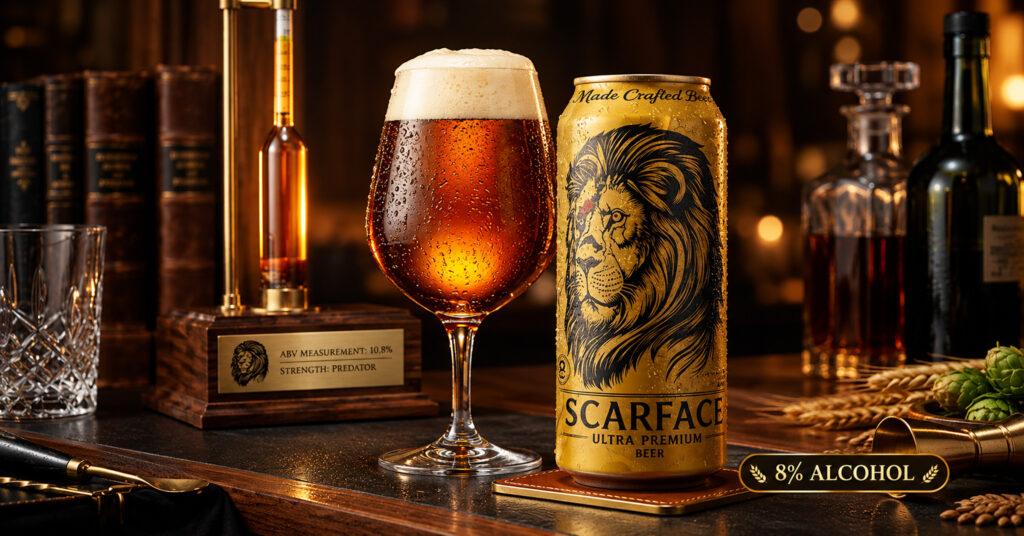
In addition to taste and appearance, the beer alcohol percentage is another important factor that helps people compare different beers. Brewers usually show alcohol content on the product label as ABV, which means alcohol by volume. So, what does the beer alcohol percentage actually mean? It refers to the amount of pure alcohol in a beer by volume. For example, a beer with 5% ABV contains approximately 5% pure alcohol by volume.
However, alcohol represents only one part of a beer. Brewers also use water, malt, hops, yeast, and other ingredients to create the final product. Therefore, understanding the beer alcohol percentage can help consumers compare different beers and understand their relative alcohol strength.
Q1. What Is Beer Alcohol Percentage?
Beer alcohol percentage is the total amount of alcohol contained in beer. Brewers usually represent this amount through ABV, which stands for Alcohol by Volume.
Thus, for example, 4% ABV means that 4% of the beer is alcohol. Similarly, the 8% ABV beer has more alcohol than the 4% ABV beer.
This makes it possible to understand how much alcohol is contained in one beer compared to another through ABV percentage. However, this may differ depending on various other factors since taste and body depend on a number of different elements.
2. What Is the Way to Calculate ABV in Beer?
The ABV in beer is calculated through the comparison of specific gravity both before and after the fermentation process.
The fermentation process is the one where yeast breaks down sugars into alcohol and carbon dioxide. This makes the liquid less dense.
Therefore, one can compare the specific gravity before and after the fermentation process and use those figures to make an approximation of the alcohol content.
Even though the calculations are quite complicated, the consumers just have to look at the figure on the label.
3. Beer Alcohol Percentage According to the Type of Beer
Alcohol concentration varies among different types of beer. So for instance, the content of ABV in some light beers is relatively lower compared to that of strong beers.
The following provides a basic classification of the various types of beer in terms of their ABV:
Low-alcohol beer: Usually contains relatively lower ABV.
Regular beer: Mostly found in moderate alcohol concentration.
Strong beer: Contains higher ABV compared to regular beers.
Super strong beer: Contains higher alcohol content than the rest of the beer types.
Note that there is no uniform ABV standard used in the classification of various beer types. Different brewers produce products with varied alcohol percentages.
4. Why Is It Important to Know the Beer Alcohol Percentage?
It is important to know the alcohol percentage in various beers since this information enables consumers to gauge the strength of beer before consumption. Thus, it is possible to use ABV in comparing products and making sound serving decisions.
Also note that high alcohol percentage does not necessarily equate to strong-tasting beer. Other factors such as ingredients, malt, hops, fermentation, and carbonation may affect the final taste of the beer.
5. Strong Beer and ABV: How to Define a Strong Beer?
A strong beer is usually characterized by having a higher percentage of alcohol than many other regular beer types. To get such a result, it is possible to use more fermentable sugars during brewing and control the fermentation process better.
However, the amount of alcohol is not the only characteristic of any beer. A strong beer can contain some additional components that will give an opportunity to perceive different flavors, such as sweetness from malt, bitterness, fruits, spices, etc.
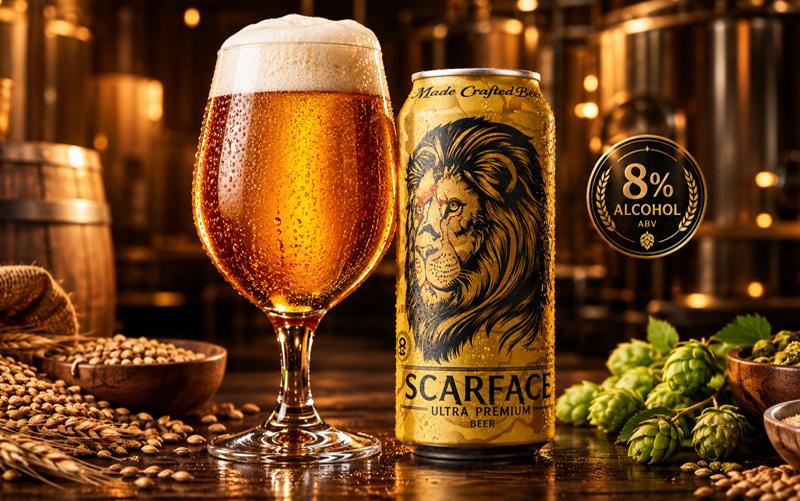
Scarface Beer concentrates on being strong, but it also tries to be smooth. Hence, people who prefer stronger beer should consider both ABV and the whole flavor and way of consumption.
6. ABV in Beers and Their Taste
ABV in beers can affect the perception of drinking experience. For example, beers with a higher ABV will provide a warmer drinking sensation.
In its turn, beers with a lower ABV will create a light drinking experience. However, alcohol is not the only element that can change the drinking experience because of malt, hops, yeast, water, carbonated water, and many other components.
For example, two beers with similar ABV can taste very different. One may offer more sweetness, while another may deliver greater bitterness or a drier finish.
7. How to Read ABV from the Beer Label
It should not take too much time to find the ABV content. To begin with, look at the front or rear of the bottle or can label. Then, look for a percentage number followed by “ABV” or “Alcohol by Volume.”
Examples:
ABV: 8.0%
In other words, the beer has 8% of alcohol by volume.
Also, note down the size of the bottle or can. The bigger serving means you have more liquid to drink, and hence, the more amount of alcohol consumed, despite the same ABV percentage.
8. Beer Alcohol Percentage versus Quantity Consumed
The ABV indicates how strong the beer is while the serving size is about the quantity consumed. Hence, the two factors are important for making comparisons between beers.
For example, consuming a lesser quantity of high ABV beer and consuming a greater quantity of low ABV beer will have different alcohol consumption results.
This means that you should not make assumptions about the strength of beer based on the ABV percentage only.
Consume all alcoholic drinks responsibly according to your local drinking laws.
9. Selecting Beer by ABV Content
Selection of beer according to its ABV content starts from knowing your own preference. In case you like light beer, you can look for varieties of beer that contain less alcohol. However, if you prefer strong beer, then you can go ahead and select beer brands that contain more ABV.
However, ABV is not the only parameter to consider while selecting a beer, because taste, ingredients, bitter level, carbonation, and even the way of serving become an important factor in such a selection.
If you are one of those people who love strong beer, then Scarface Beer will give you an identity of strength and smoothness of beer.
Frequently Asked Questions About Beer Alcohol Percentage
Q1. What is the percentage of alcohol in beer?
The percentage of alcohol in beer refers to the quantity of alcohol content in the beer. This is commonly referred to as ABV for alcohol by volume.
Q2. What is the average percentage of alcohol in beer?
An ordinary beer has a moderate ABV content, while the light beers have lower alcohol content compared to strong beers that have higher alcohol content. There is no set ABV for all the beers since the alcohol content is not the same for all beers.
Q3. Does high ABV mean that the beer tastes stronger?
No. High ABV can make the beer feel warmer, but there are other factors apart from ABV that affect the taste of beer.
Q4. How do I calculate the alcohol content in beer?
The ABV or “alcohol by volume” on the label of the beer will provide you with the alcohol percentage of that specific beer.
Q5. Is it true that strong beer has high alcohol content?
Generally, strong beer contains higher alcohol content than other types of beers. It is imperative for consumers to check the ABV percentage on the label of the drink.
Conclusion
Beer alcohol percentage provides a simple way to understand the alcohol concentration of a beer. More specifically, ABV helps consumers compare different products based on their alcohol strength.
However, alcohol content does not tell the complete story. Taste, ingredients, brewing methods, carbonation, serving size, and personal preferences also influence the overall beer experience.
Therefore, check the ABV on the label, consider the serving size, and explore the flavor profile before choosing a beer. If you enjoy stronger beer styles, Scarface Beer provides another option to explore while comparing strength and smoothness.
Always consume alcohol responsibly and follow local laws and regulations.