The Brewing Process for Scarface Beer: Making of Good Beer
Beer enthusiasts not only enjoy the taste of beer but also appreciate the effort put into every single brewing process of the beer. The Scarface Beer Brewing Process is a clear example of quality assuranceThe brewing team selects quality ingredients and applies expert brewing techniques to craft the beer. brewers manage every stage of production and create a high-quality beer experience for consumers. The entire brewing process is essential in determining the final taste and aroma of the beer. Scarface Beer blends the traditional brewing process with modernization in order to get consistent results.
Importance of Scarface Beer Brewing Process
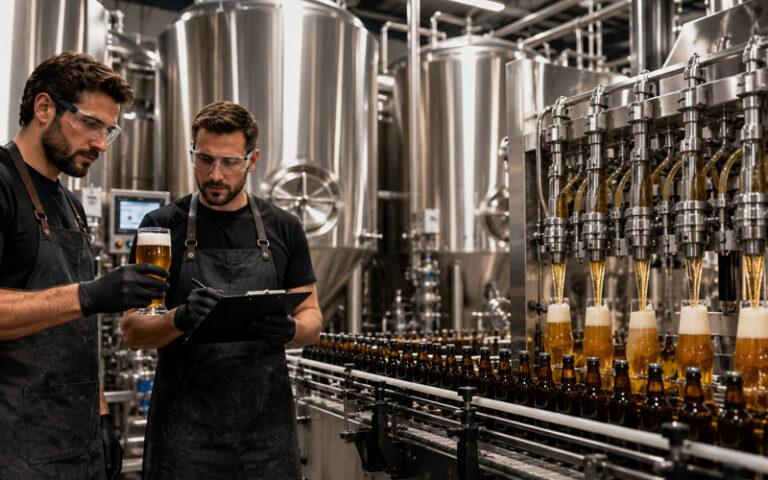
The Scarface Brewing Process is the cornerstone of the characteristics of the beer. Brewmasters work with great care at all stages of production to ensure the same quality in all the batches. They abide by brewing standards to get the exact flavor and smoothness of the beverage. Quality specialists analyze the ingredients, the process of brewing, and the packaging process.The brewing team prioritizes customer satisfaction throughout every stage of production.With thorough planning and attention to detail, the team brings harmony and refreshing to every glass.
Choice of High-Quality Ingredients for Scarface Beer Production
Selection of high-quality ingredients is essential in the production of excellent beer. In order to achieve this, the brewing team will select pure water, which will form the basis of Scarface Beer. The brewing team uses premium malted grains to provide fermentable sugars and enhance flavor developmentThe brewing team selects specific hops to add bitterness, aroma, and flavor to the beer. Each of these ingredients will ensure development of certain characteristics of the beer.
Malting: Creating a Basis for Taste in the Beer Brewing Process
Malting is the first step of the brewing process. The team will choose selected grains of barley and soak them in water.Brewers allow the grains to germinate under carefully controlled conditionsWhen germination reaches the desired stage, the team dries and roasts the grains.
Brewers roast the grains at different temperatures to create distinct flavors and colors.
Milling and Mashing for Sugar Extraction
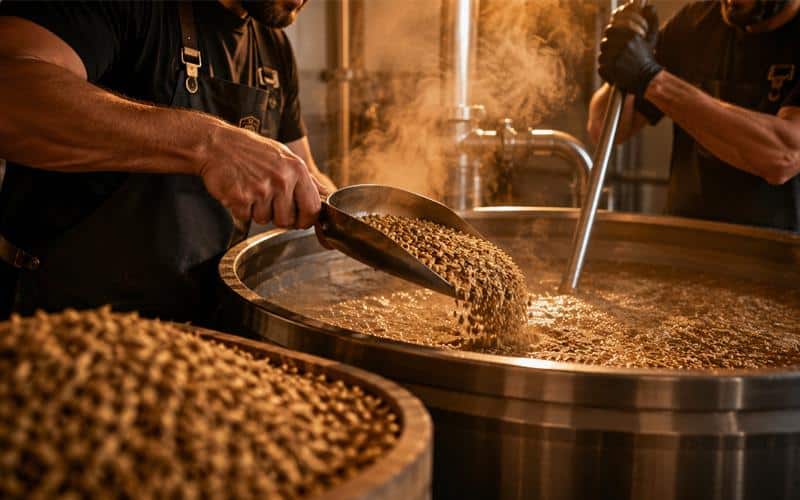
After malting, the brewing team mills the grains into coarse material referred to as grist. Brewers mix the grist with warm water during the mashing process.Enzymes work to digest starches into fermentable sugar. Brewing teams have full control over temperatures during this process. This process impacts the body, sweetness, and character of the beer. The mashing process produces a sweet liquid called wort.Production of high-quality wort is key in producing high-quality beer.
Lautering and Wort Preparation in the Beer Brewing Process
Brewers separate the wort from the grain matter through a process called lautering.The grain bed filters the wort during extraction. Brewers add additional water to extract more sugars from the grain matter. Effective lautering makes brewing processes efficient while extracting more flavors. The brewing team eliminates
Boiling of Wort and Hops Addition in the Beer Brewing Process
The next step is when brewers put the wort into the brewing kettle and heat it to a certain boiling point. The boiling process destroys unwanted microorganisms and stabilizes the brewing process.Hops are carefully chosen and added in the process in order to provide for the bitterness, flavor, and aroma of the beer. Early hop additions create bitterness in the beer. while late hop additions result in aroma and taste improvement. There are several significant reactions taking place in the boiling process and contributing to the final composition of beer. After boiling is done, Brewers prepare the wort for cooling and fermentation after boiling.
Fermentation: Turning Wort into Beer
One of the most important stages in the process of Scarface Beer Brewing is fermentation. In this stage yeast is added to the cooled wort and the transformation of sugars into alcohol begins.Yeast produces carbon dioxide and flavor compounds during fermentation. The brewing team closely monitors fermentation process and controls its conditions. The method of fermentation may also influence the final flavor profile of the product.
Conditioning, Filtration, and Quality Control
Once fermentation ends, the beer enters the conditioning stage. At this point, flavors develop, and refinement takes place. The brewers refine the taste while eliminating any undesirable elements. In addition, they filter the beer to get rid of any leftover particles. Specialists in quality control analyze the beer in terms of its smell, taste, appearance, and consistency at all stages of the process. Quality specialists thoroughly check and approve each batch before packaging.
Packaging and Delivery of Excellence
Once the beer meets all quality standards, the team packages it. Modern packaging techniques preserve the freshness and taste of the beer. During the entire process, there is limited oxygen contact to ensure quality preservation. Storage and transportation of the beer maintain its consistency right up to the point when it gets to the consumers. The packaging of the beer is a representation of the hard work put in to achieve excellence in brewing.